Pilot Day
A full day for startups.
Avenue des Bergières 10, 1004 Lausanne
24 April 2026
For SMEs
Lausanne · 24 April 2026 · 11:00 - 13:30
CHF 150
Meet innovative companies working on practical solutions for businesses in construction and real estate, industrial operations, and food and agriculture.
We select and match you with relevant startups ahead of the event, based on your sector and business context so the conversations are useful from the start.
.png)
What these conversations
can help you do
→ Improve operational efficiency
→ Explore practical new technologies
→ Identify partners for testing, production, or distribution
Collaboration can take many forms, from testing a solution in your operations, to supporting a startup as a manufacturing or distribution partner.
Your Programme
12:15 — Networking lunch with fellow SMEs, startups, and innovation support organisations
13:30 — End of programme
Optional: join earlier for SME x startup collaboration case studies and SME roundtable discussion
✔ Free to attend
✔ No preparation required
✔ Meetings prepared in advance to maximize your time
For Startups
Lausanne · 24 April 2026 · Full day (9:15 - 14:30)
CHF 150
A full day built around one goal: building concrete partnerships with SMEs.
SMEs move fast and make decisions close to the ground. Beyond the one-on-one meetings, this is a rare opportunity to hear directly from the people running operations — what they need, what they value, and what it genuinely takes to move from a first conversation to a pilot.
.png)
To participate, your startup should
→ Be ready to deploy in Switzerland
→ Operate in construction & real estate, industrial operations, or food & agriculture
Your Programme
9:35 — Collaboration case studies & SME roundtable
11:00 — 1:1 meetings with matched SMEs & experts
12:25 — Networking lunch & Pilot Clinic
13:55 — IP Workshop: Who Owns What? IP Valuation in SME-Startup Collaborations
15:00 — End of programme drinks
Agenda
For Startups
For SMEs
Checkin & breakfast
Optional
Welcome
Hack
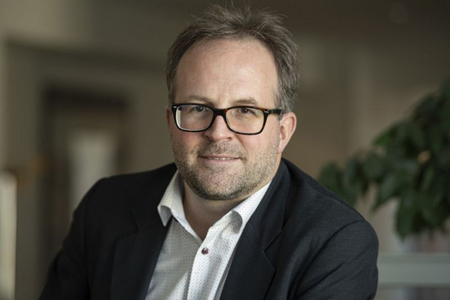
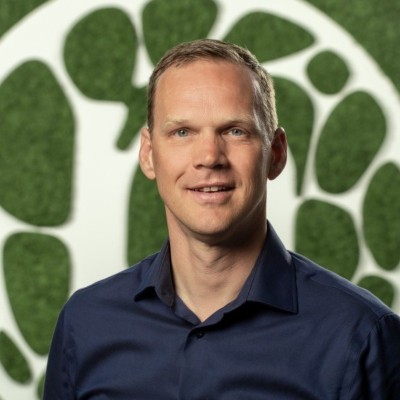
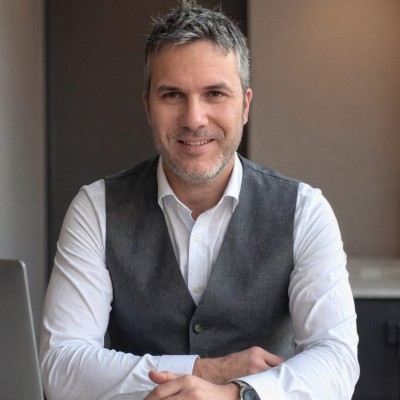
Raphaël Conz, Managing Director of the Office for Economic Affairs and Innovation (SPEI), State of Vaud
Optional
SME x Startup Collaboration: Circéa & La Nébuleuse
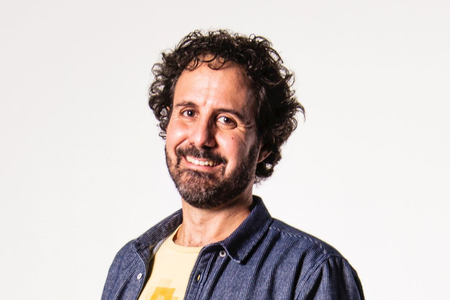
Jean-Valentin de Saussure, Co-Founder & Director, Circea
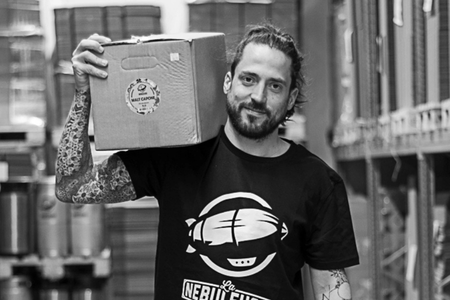
Kouros Ghavami, Co-Founder et responsable production, La Nébuleuse
Optional
SME x Startup Collaboration: Dyneo & Services industriels de Lausanne
Cédric Fontaine, Ingénieur Expert Thermique, Services industriels de Lausanne
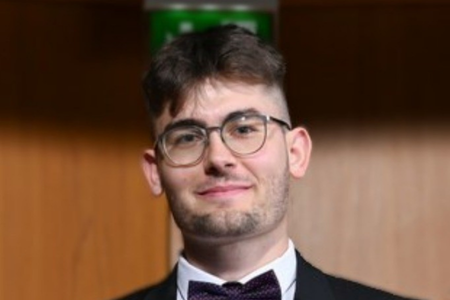
Max Carrel, Co-Founder and CTO, Dyneo Technologies
Optional
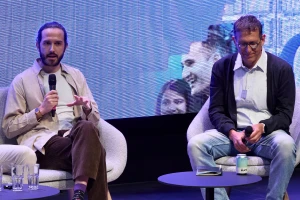
SME Roundtable: What It Really Takes: SMEs and Startups Working Together
Fabio Monte, COO, Board member & Business development, Qoqa
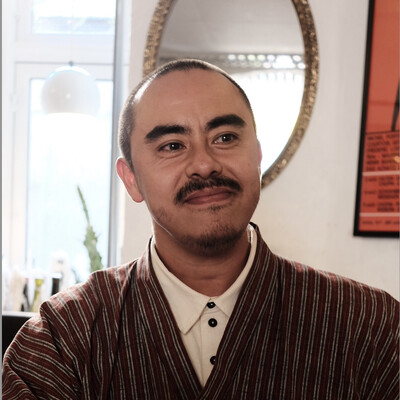
Josep Castellet, CEO, POMOCA
Olga Guerous, CEO, Innopearl
Gregory Chollet, Co-founder & Head of Marketing, Loyco
Optional
1:1 meetings
SMEs, Startups, and partners
Networking lunch & Pilot Clinic
Pilot Clinic Partners
Viva Vaud
Tech4Regen
Alliance Innovation
CleanTechAlps
EHL Innovation Hub
Innovaud
FIT Fondation pour l'Innovation et la Technologie
Innosquare
CCDC
IP Workshop
Who owns what when you collaborate - and what’s it worth?
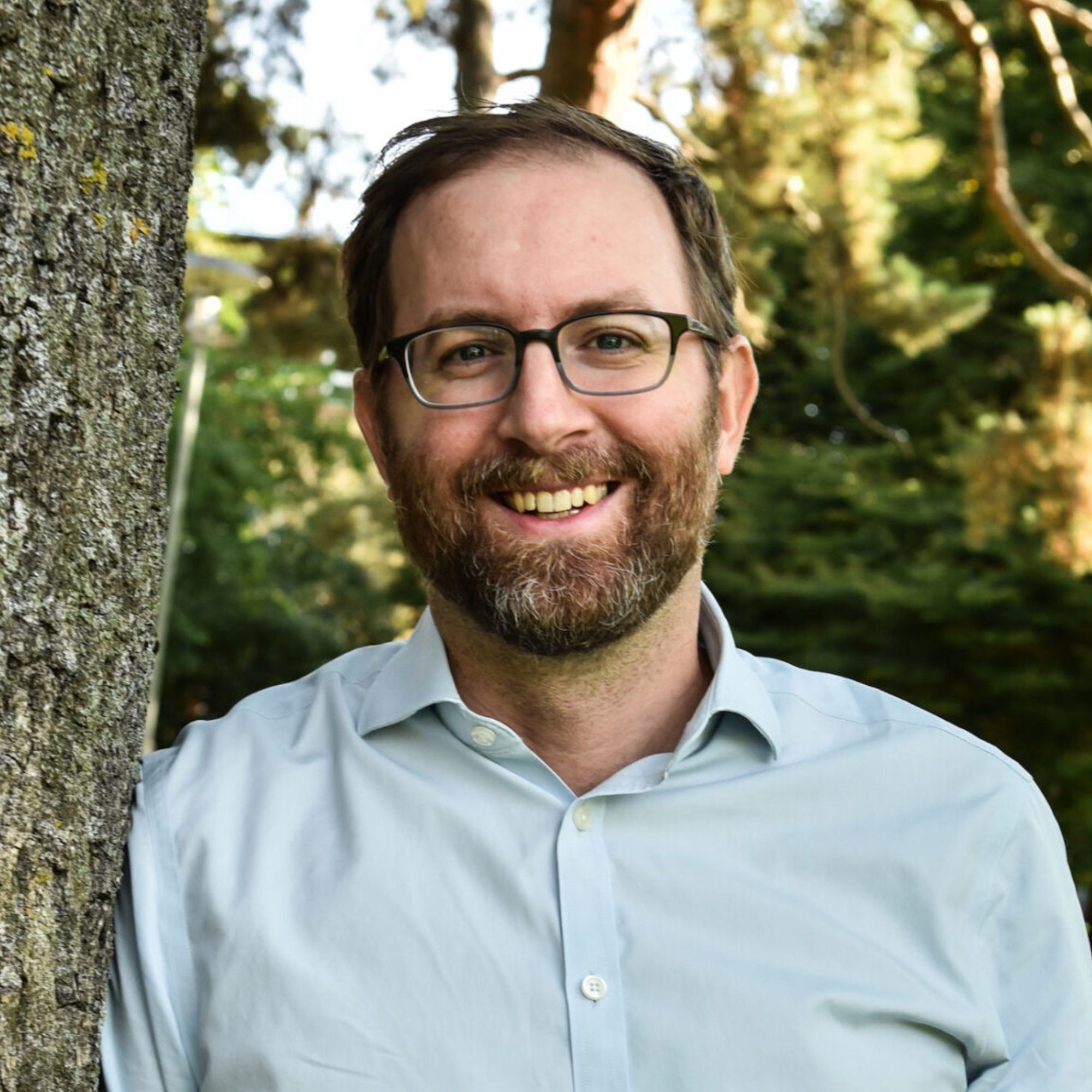
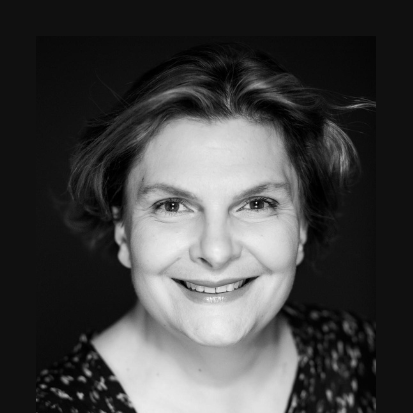
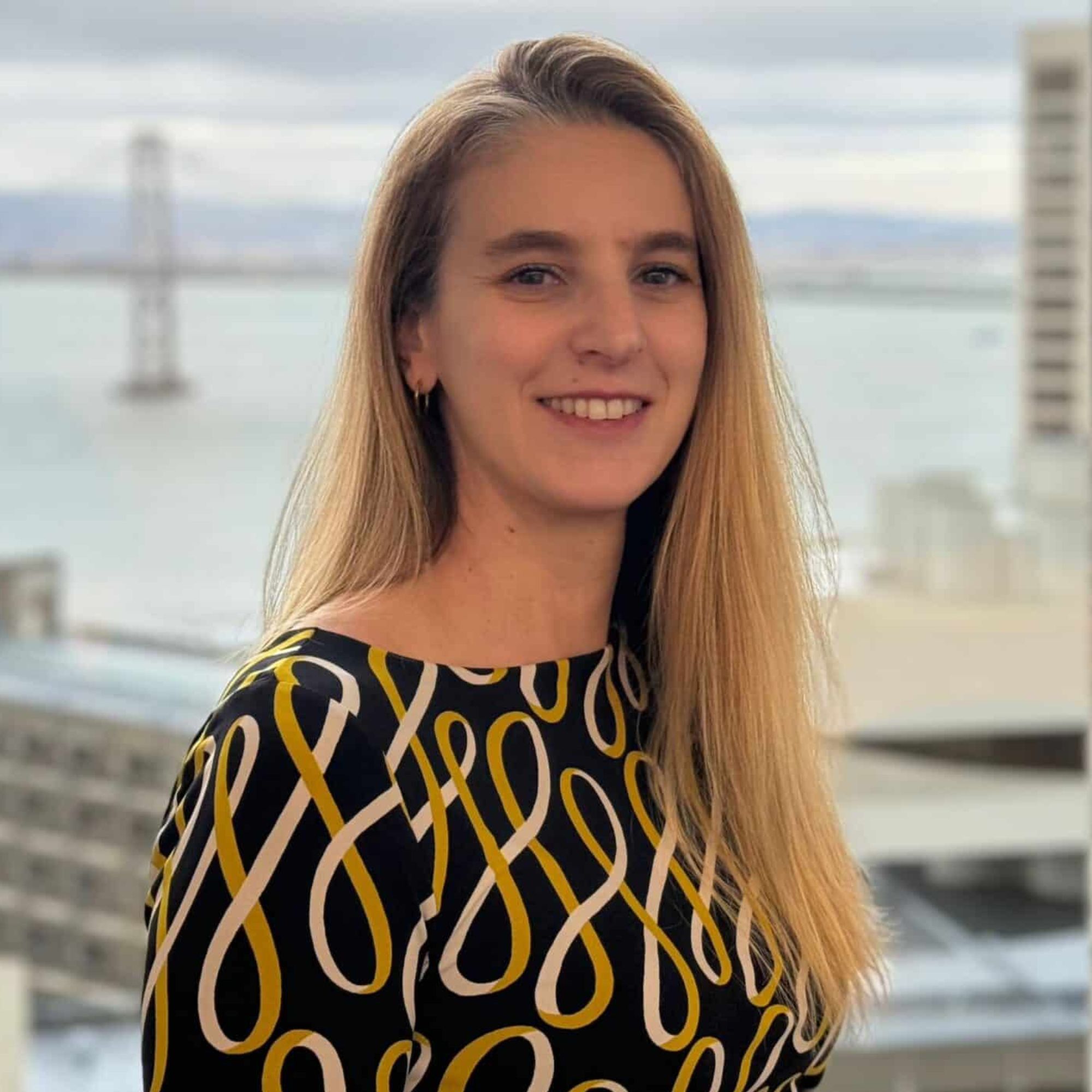
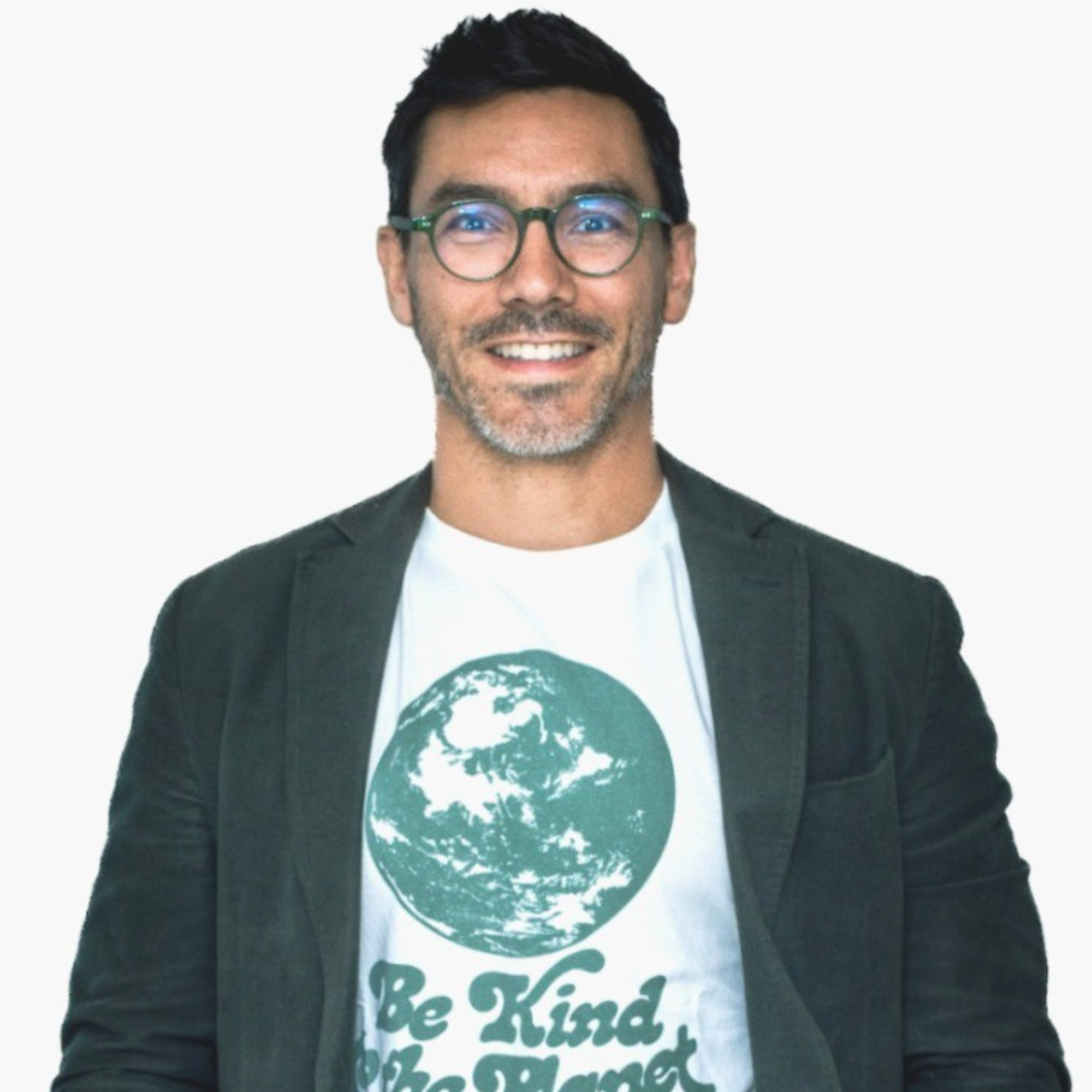
Led by IP experts André Gorius and Joël Nithardt
Optional
Wrap-up & end of day drinks
Optional
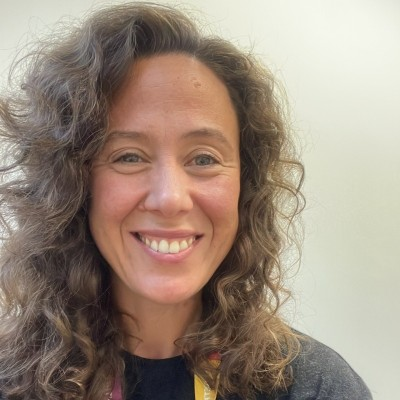
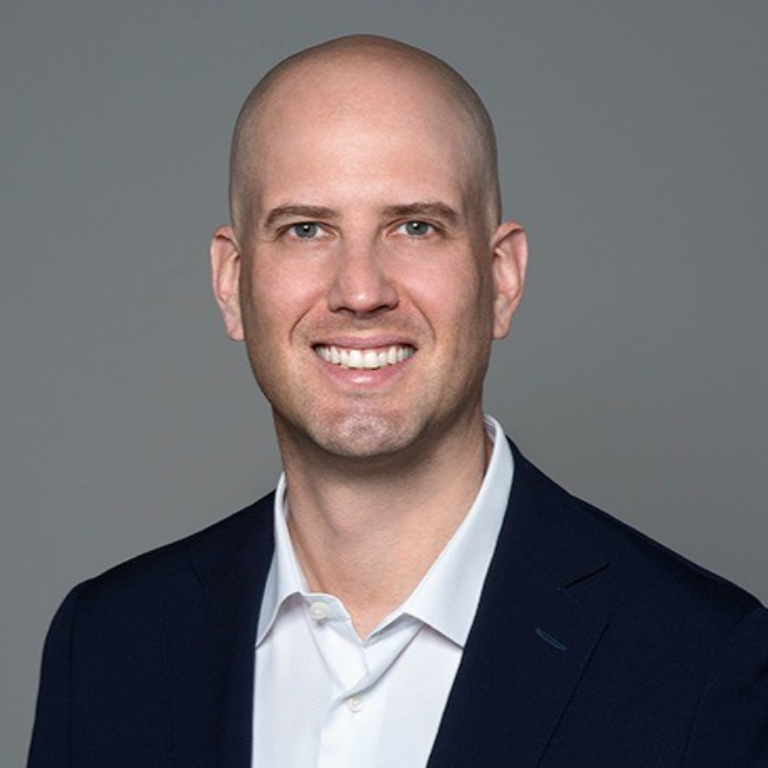
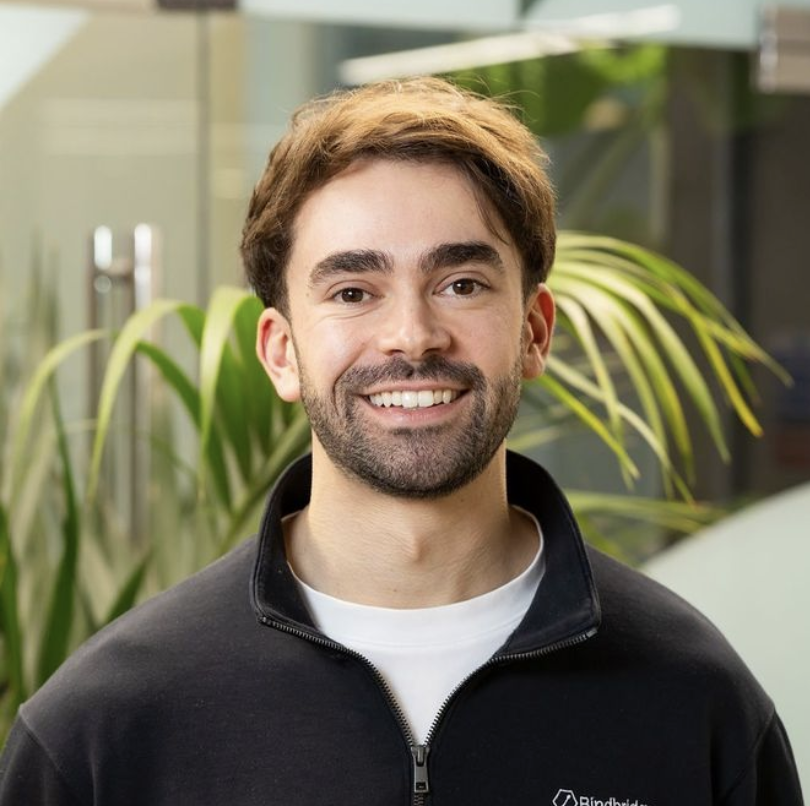
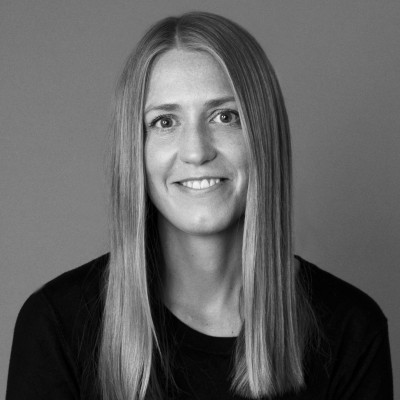
Speakers

.png)
.png)
.png)
.png)
.jpg)



.png)
.png)

.png)
.png)
.png)

.png)
.png)
.png)
.png)

.jpg)
.jpg)
.png)



.jpg)
Highlights
Learnings from the field
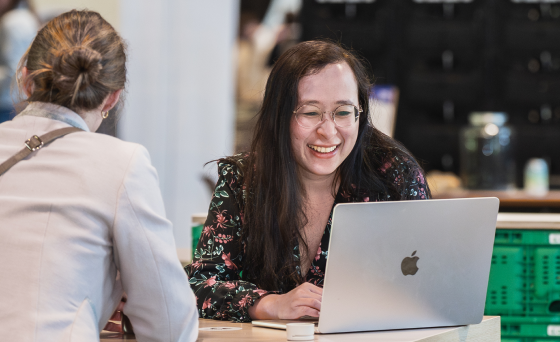
Startup x SME Collabs
Circea & La Nébuleuse followed by Dyneo & Services industriels de Lausanne will share insights on their recent pilots, what worked, what didn’t, and what they would do differently.
Roundtable with SMEs
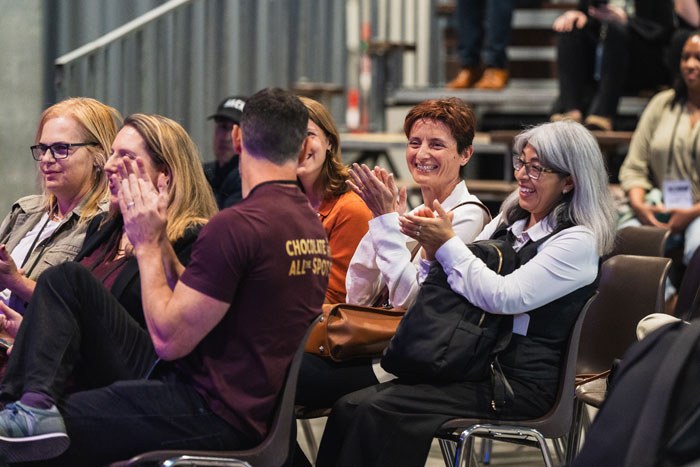
What It Really Takes: SMEs and Startups Working Together
A candid discussion with SME leaders on how they approach collaboration, what they look for, and what makes partnerships succeed.
Pilot Clinic
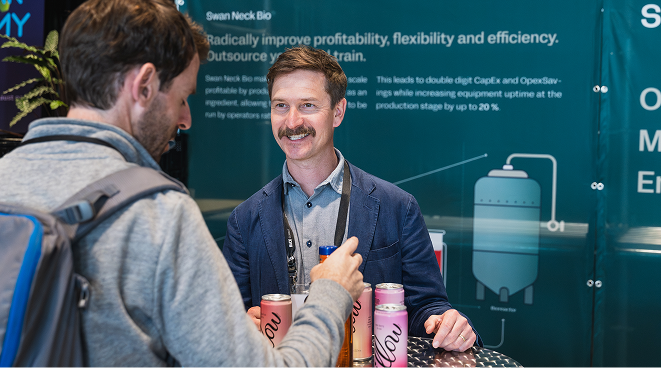
Meet Your Allies
During lunch, meet organisations that can support, fund, or advise your next steps; whether that’s structuring a pilot or collaboration, securing funding, or moving towards implementation.
IP Workshop
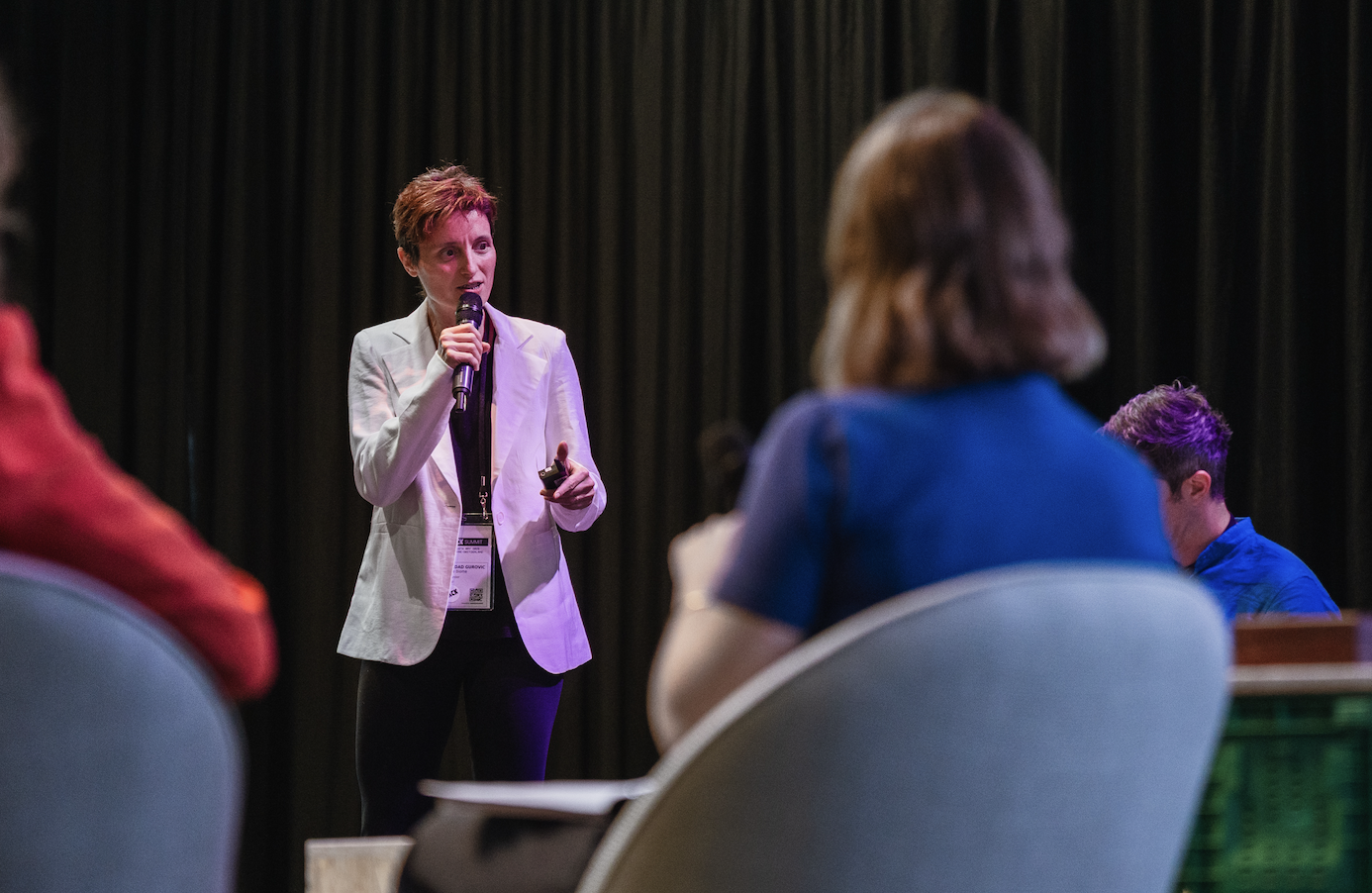
Who Owns What? IP Valuation in SME-Startup Collaborations
Good partnerships start with a shared understanding of what each party brings. In this workshop, we'll cover how to identify the intangible assets worth protecting in your business, how to set clear boundaries before a collaboration begins, and how to put a concrete value on what you contribute. Led by IP experts with extensive hands-on industry experience, you'll walk away with practical tools to apply directly to your next project.
Who You'll Meet
.png)
.png)
.png)
.png)
.png)
.png)
.png)
.png)
.png)
.png)
.png)

.png)
.png)
.png)


.png)
.png)
Pilot Clinic Partners


.png)


.png)
Pricing
CHF 150 for SMEs
* 1:1 meetings
* Networking lunch + Pilot Clinic
* IP Workshop
* Optional roundtable
CHF 150 for Startups
* Full programme
* 1:1 meetings
* Networking lunch + Pilot Clinic
* IP Workshop
* Note: If you are also attending the HackSummit (April 22-23), discounted bundle pricing will be applied.


.png)
.png)
.png)
.png)
.png)